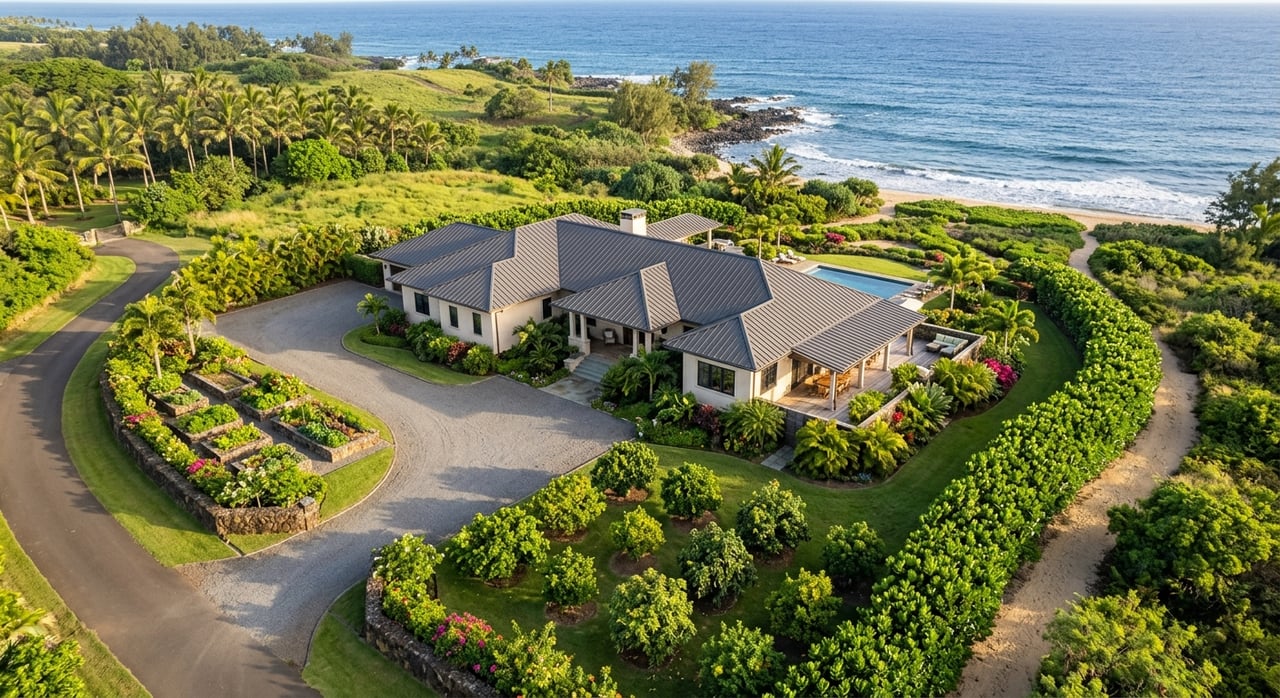
Are you dreaming about a part of Maui that feels a little wilder, greener, and more connected to the ocean? If North Maui is on your radar, you are probably looking for more than just a place to live. You want to understand the day-to-day rhythm, the housing feel, and the tradeoffs that come with this part of the island. This guide will help you get a clearer picture of what it is like to live in Paia and Haiku on Maui’s North Shore. Let’s dive in.
North Maui at a Glance
When people talk about living in North Maui, they are often talking about Paia and Haiku. These two areas share a North Shore setting, but they do not feel exactly the same.
Paia is a former plantation village that has grown into a laid-back town with local businesses and a strong surf culture. Haiku is generally more spread out, with scattered parcels, rural character, and a more land-oriented feel. Together, they offer a version of Maui life that feels less resort-driven and more rooted in everyday island living.
North Shore Setting and Lifestyle
Maui County describes the North Shore as a coastal area exposed to large winter swell and year-round trade-wind waves. That shape matters because it affects everything from beach conditions to how the coastline feels throughout the year.
Living here often means being close to open ocean, frequent breezes, and a landscape that feels more natural than manicured. It can be beautiful and energizing, especially if you enjoy ocean views, shifting weather, and a stronger connection to the outdoors.
Paia feels more town-centered
Paia has the most obvious town core on the North Shore. You will find commercial areas along Hana Highway and Baldwin Avenue, along with shops, restaurants, boutiques, a community center, and other neighborhood-serving uses.
If you like the idea of being able to spend time in a walkable town setting, Paia may appeal to you more. It tends to feel compact, active, and coastal.
Haiku feels more rural and private
Haiku offers a different kind of North Maui experience. County planning documents describe the area as more scattered, with residential and agricultural patterns rather than a concentrated town center.
That often translates to more space, more privacy, and a quieter day-to-day feel. If you are drawn to rural lots, a greener setting, or a home that feels tucked away, Haiku may be a better fit.
Climate in North Maui
One of the biggest differences you may notice in North Maui is the climate. Compared with drier parts of South or West Maui, the North Shore is generally greener, more humid, and breezier.
NOAA data for nearby Kahului Airport shows a mean annual temperature of 77.1°F. At the same time, climate and rainfall patterns across Windward Maui are shaped heavily by trade winds and topography, which helps explain why North Maui often feels wetter than leeward areas.
In practical terms, you can expect warm temperatures, frequent breezes, and quick passing showers. It is the kind of place where the weather can shift fast, so daily life often includes a little flexibility.
What that means for daily living
The North Shore climate can be a big plus if you enjoy lush scenery and cooler breezes. Many people are drawn to the green landscape and the less dry feel compared with other parts of Maui.
Still, it helps to know that sunshine and showers can happen in quick rotation. If you are house hunting here, the micro-feel of a property matters, especially when it comes to exposure, drainage, and overall upkeep.
Beaches and Outdoor Recreation
For many buyers, North Maui’s biggest draw is access to the ocean and outdoor activity. This part of the island is known for beaches, surf exposure, and a strong connection to wind and water sports.
Hoʻokipa Beach Park is one of the best-known spots on the North Shore. Maui County lists amenities there for surfing, windsurfing, swimming, picnicking, and lifeguards, which gives you a good sense of the active beach culture nearby.
Baldwin Beach Park and Wawau Point, also known as Baby Beach, are part of the same broader North Shore beach corridor. These areas give residents more ways to enjoy the coastline, but they are also part of ongoing county planning around erosion, dune restoration, and sea-level-rise impacts.
Not your typical calm resort beach
North Shore beaches can be a major lifestyle benefit, but they are not the same as sheltered resort coastlines. This stretch of Maui is generally more exposed to surf and swell.
That means your beach experience may feel more dynamic and seasonal. If you love active ocean conditions and a less polished coastal setting, that can be a big advantage. If you want consistently calm water, it is worth understanding the difference before you choose where to live.
Getting Around and Running Errands
North Maui offers a more relaxed setting, but daily convenience still matters. Paia and Haiku each have useful amenities, though larger errands often pull people toward Kahului or Wailuku.
Paia has the stronger small-town commercial core, while Haiku has community-serving amenities such as a county park and community center, sports fields, a youth center, and public health and police offices. That mix supports everyday life, even though the area is less built out than Central Maui.
For transportation, Maui Bus Route 35 connects Paia, Kuau, Haiku, Kahului Airport, and the Kahului Transit Center. The county’s rural shuttle program also serves Haiku, Paia, Kahului, and Wailuku, and is used for shopping and doctor visits.
The road network is part of the lifestyle
Hana Highway is the main access corridor through the Paia-Haiku region. Because of that, road conditions, weather, and surf events can have a bigger day-to-day effect here than they do in more centralized communities.
This is one of the tradeoffs of North Shore living. You get a more natural and less structured environment, but access can feel a little less predictable at times.
Housing in Paia and Haiku
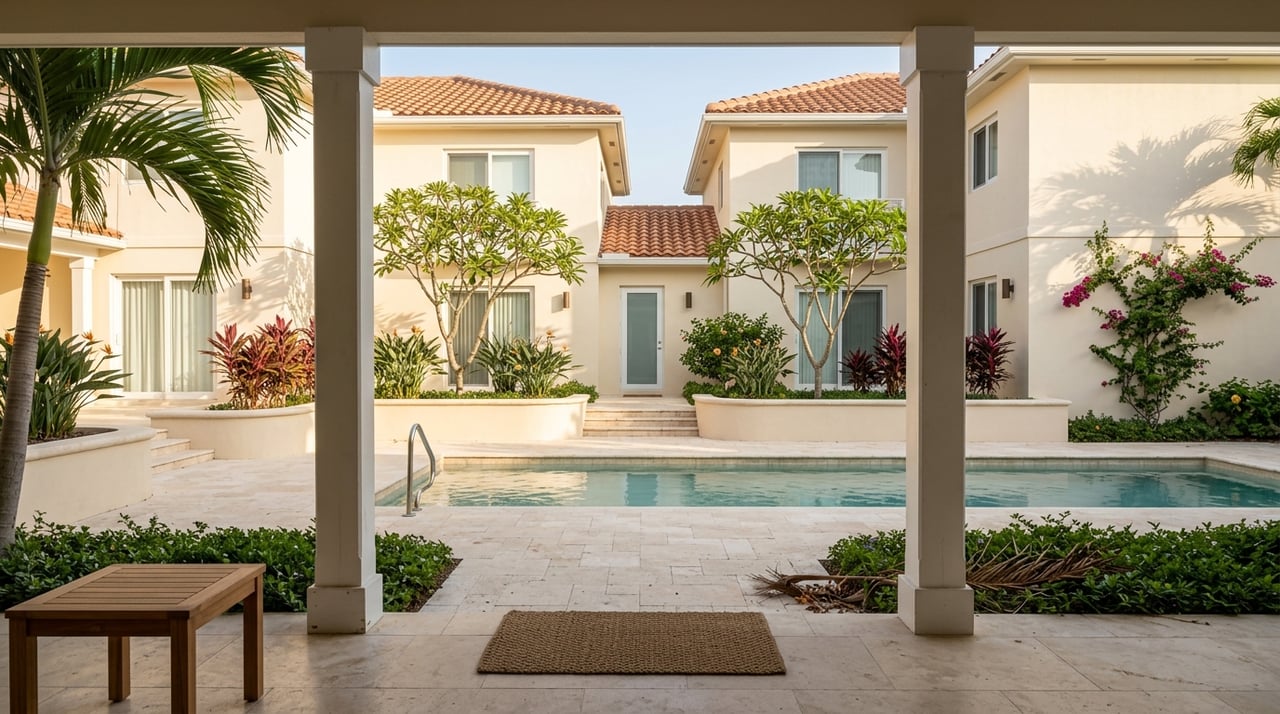
If you are starting your home search in North Maui, it helps to know that the housing mix here is generally low-density, rural, and land-oriented. This is not typically the part of Maui people associate with large condo clusters.
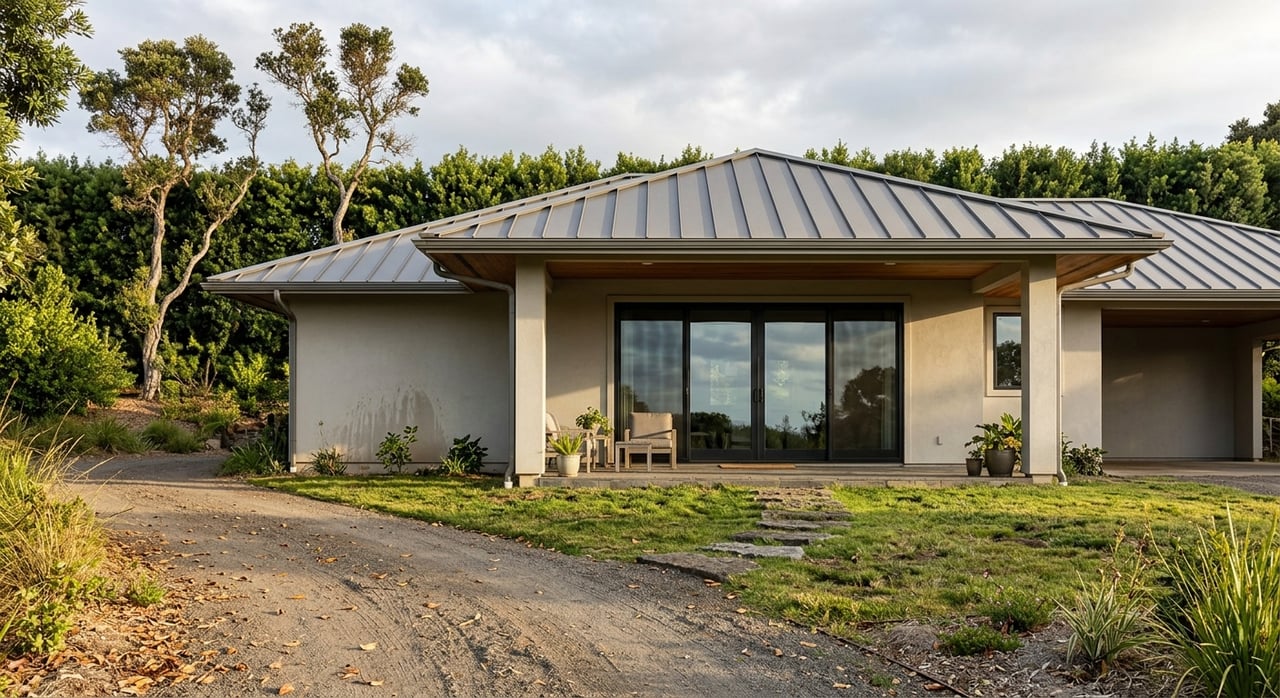
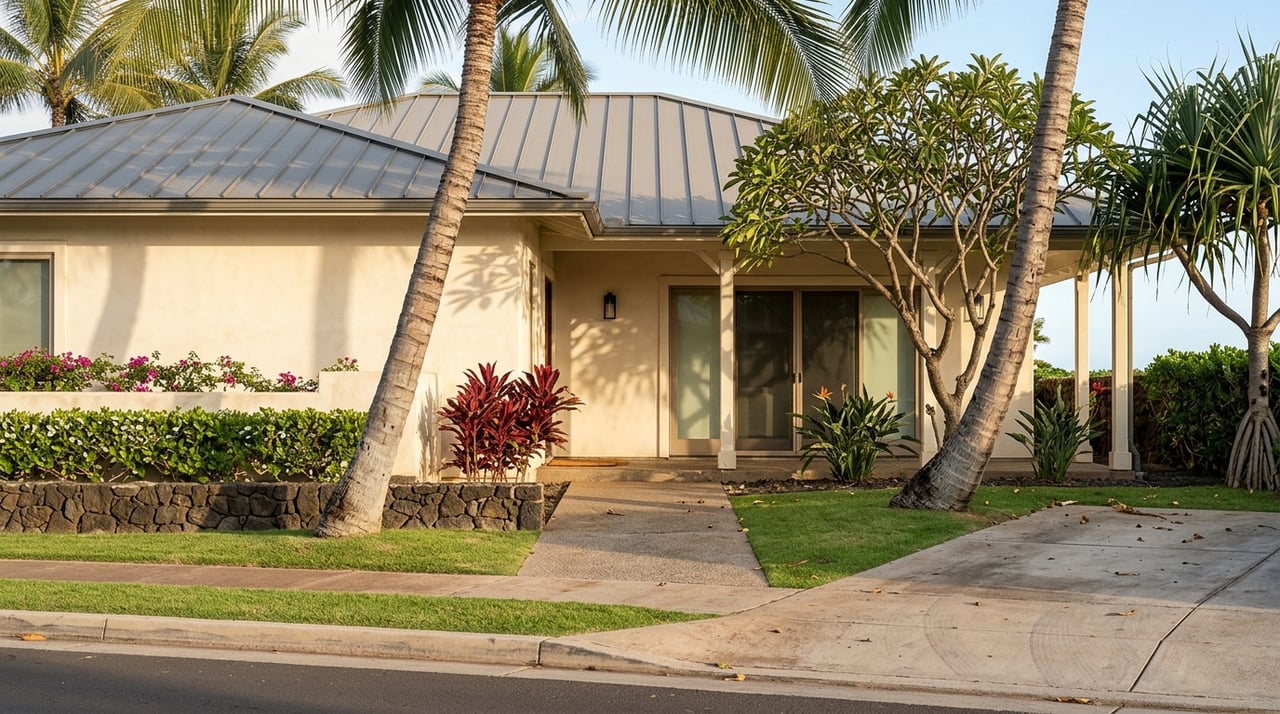
County planning documents frame the area as a mix of commercial strips near Paia, residential and agricultural land mauka of Hana Highway, and scattered parcels in Haiku and Kuiaha. In real-world terms, you are more likely to be looking at single-family homes, rural lots, and agricultural parcels than condo-heavy inventory.
Paia homes
Paia usually carries a more coastal and town-centered premium. Realtor.com reports a median listing price of $2,745,000, with 23 homes for sale and a median of 93 days on market.
Those figures are best used as general reference points, not exact pricing rules. Smaller neighborhood data sets and different boundary definitions can make Maui market snapshots vary.
Haiku homes
Haiku often appeals to buyers who want more privacy, more land, or a more spread-out setting. Realtor.com reports a median listing price of $1,795,000, with 22 homes for sale and a median of 117 days on market.
Redfin’s March 2026 snapshot for Haiku-Pauwela placed the median sale price at $1.8 million. Again, these numbers are most helpful as broad indicators of market position rather than fixed values.
Key Tradeoffs to Know Before You Move
Every Maui area has its own rhythm, and North Maui is no exception. The lifestyle can be incredibly appealing, but it works best when your expectations match the setting.
Some of the biggest North Shore tradeoffs include:
- More wind and moisture than drier parts of Maui
- Greater exposure to surf, swell, and coastal conditions
- A road network centered heavily on Hana Highway
- Ongoing coastal planning related to erosion and sea-level rise
- A housing mix that leans more toward homes and land than condos
County records also show that beach parks such as Hoʻokipa, Baldwin, and Kuau Bay have closed during large north-facing swells. That does not mean disruption is constant, but it does show how closely North Shore life is tied to ocean and weather patterns.
Who North Maui Fits Best
North Maui often works well for buyers who want a setting that feels less resort-like and more locally rooted. You may be especially drawn to this area if you want open space, ocean access, a greener environment, or a more rural day-to-day experience.
Paia may suit you if you want a more connected town feel with shops and restaurants nearby. Haiku may be a better match if you value privacy, land, and a quieter setting.
The best fit depends on how you want to live, not just what home style you prefer. That is why it helps to look at both the property and the rhythm of the area around it.
If you are thinking about buying or selling in North Maui, working with a team that understands how lifestyle, access, and property type intersect can make the process much smoother. Theresa Short and The Sunrise Team bring calm, local guidance to help you explore Paia, Haiku, and the broader Maui market with confidence.
FAQs
What is everyday life like in North Maui?
- Everyday life in North Maui often feels breezy, outdoorsy, and more natural than resort-centered areas, with Paia offering a town feel and Haiku offering a more rural setting.
What is the climate like in Paia and Haiku?
- Paia and Haiku are generally warm, windy, and greener than South or West Maui, with frequent breezes and quick passing showers shaped by trade winds and topography.
What types of homes are common in North Maui?
- North Maui housing is usually made up of single-family homes, rural lots, and agricultural parcels rather than a condo-heavy mix.
What is the difference between living in Paia and living in Haiku?
- Paia is typically more compact and town-centered, while Haiku is usually more spread out, private, and land-oriented.
What should buyers know about North Shore beach conditions?
- North Shore beaches are often more exposed to surf and seasonal swell than calm resort beaches, and some parks have closed during large north-facing swell events.