If you picture Maui as warm beach weather all day, every day, Upcountry might surprise you. This part of the island has a different pace, a cooler climate, and a more rural setting that appeals to buyers who want space, scenery, and a strong sense of place. If you are thinking about living here or buying property here, understanding daily life can help you decide whether Upcountry Maui is the right fit for your goals. Let’s dive in.
What Upcountry Maui Includes
Upcountry Maui is not just one town. Maui County identifies the Upcountry service area as including Makawao, Upper and Lower Kula, Haiku, Haliimaile, Pukalani, Kokomo, Kaupakalua, Ulumalu, Keokea, Ulupalakua, and Kanaio.
That broad definition helps explain why Upcountry feels different from Maui’s coastal areas. County planning for the Makawao-Pukalani-Kula area centers on rural character, open space, agriculture, and cultural resources, so the region is shaped as much by land use and lifestyle as by town boundaries.
Upcountry Maui Climate Feels Cooler
One of the biggest day-to-day differences is temperature. Kula sits at about 3,100 feet above sea level, and NOAA data for 1991 through 2020 shows an annual mean temperature of 63.9°F.
For comparison, Kahului Airport near the coast records an annual mean temperature of 77.1°F. That is a major difference, and it helps explain why many people describe Upcountry as feeling noticeably cooler than Maui’s lowland areas.
What the Cooler Weather Means
Cooler temperatures can shape your routine in simple but important ways. You may find mornings and evenings feel more crisp, and your home preferences may shift toward comfort features that suit a milder climate.
If you are moving from the mainland, that cooler pattern may feel familiar in some ways while still offering a distinct Maui lifestyle. If you are moving from another part of the island, the temperature change may be one of the first things you notice.
Rainfall Also Changes Daily Life
Climate is not only about temperature. Kula averages 23.00 inches of precipitation each year, while Kahului averages 16.21 inches.
The area also tends to have wetter winter months and much drier summer months. That matters if you enjoy gardening, maintain landscaping, or simply want to understand how the setting may feel from season to season.
Water Use Matters In Upcountry
Water is a practical part of owning and maintaining property in Upcountry Maui. Maui County declared a Stage 1 shortage for Upcountry in April 2025, escalated to Stage 3 in October 2025, and lifted the shortages in March 2026 after heavy rainfall improved surface water conditions.
For you as a buyer or homeowner, that history is useful context. It shows why water-conscious landscaping, irrigation planning, and day-to-day conservation can be an important part of living in the area.
What Buyers Should Keep In Mind
If you are considering an Upcountry property, it helps to look beyond the house itself. You may also want to think about lot size, landscaping needs, and how much outdoor maintenance the property could require.
A beautiful yard or larger parcel can be appealing, but it also comes with practical ownership questions. Understanding those details early can help you choose a property that fits your lifestyle and comfort level.
Upcountry Culture Has Deep Roots
Upcountry Maui is shaped by a long rural and agricultural history. Maui County’s community plan describes the area’s ranching heritage and paniolo culture, with Makawao noted as a ranching center.
The plan also says rodeo and polo remain part of the area’s identity. Alongside that ranching history, the region also reflects homesteading and immigrant farm traditions, including family farms connected to Kula onions, cabbages, and cut flowers.
Small Towns Shape The Rhythm
Daily life here often revolves around local town centers and community routines rather than resort zones or dense commercial districts. That can give the area a grounded, lived-in feel that many buyers are looking for when they want a home that feels tied to the land and community.
This does not mean every part of Upcountry feels exactly the same. It means the overall rhythm tends to be shaped by rural patterns, local gathering spots, and a strong connection to agriculture and open space.
Farmers Markets Are Part Of Life
In Upcountry, farmers markets are woven into the weekly routine. Maui County’s agriculture directory lists the Upcountry Farmers Market in Makawao on Saturdays from 7 a.m. to 11 a.m. and the Wednesday Farmers Market at Kulamalu Town Center from 8 a.m. to 1 p.m.
That says a lot about the local lifestyle. For many residents, these markets are not just occasional outings. They are part of how the week is structured, how people shop, and how local agriculture stays visible in everyday life.
Why This Appeals To Many Buyers
If you value fresh produce, open-air shopping, and a more local pace, this can be a meaningful lifestyle benefit. It supports a style of living that feels more connected to Maui’s agricultural side.
For off-island buyers especially, this is often one of the clearest differences between Upcountry and more visitor-oriented parts of the island. The experience can feel less centered on tourism and more centered on daily living.
Getting Around Upcountry Maui
Upcountry living tends to be more spread out. County planning emphasizes pedestrian, equestrian, and bikeway connections, along with limited-service transit ideas, park-and-ride concepts, and links between schools, recreation facilities, and town centers.
Taken together, that points to a more car-based lifestyle than you may find in compact coastal districts. In practical terms, errands, appointments, and market trips may take more planning because daily destinations are often spread across multiple communities.
What That Means For Your Search
When you look at homes in Upcountry, location is about more than views or elevation. You may also want to think about how close you want to be to town centers, markets, and your most frequent stops.
That is especially important if you are relocating from off-island. A property that looks ideal on paper may feel different once you factor in your normal weekly routine.
Upcountry Homes Tend To Feel Rural
The built environment in Upcountry Maui is intentionally low-scale. Maui County planning guidance calls for one- and two-story multi-family forms limited to 35 feet, natural materials such as wood, earth-tone colors, private open space, and landscaping that fits a rural setting.
The same planning framework also supports alternate rural standards for subdivisions, roads, and street lighting. That helps explain why many areas feel less suburban than buyers from the mainland may expect.
Common Home Styles You May See
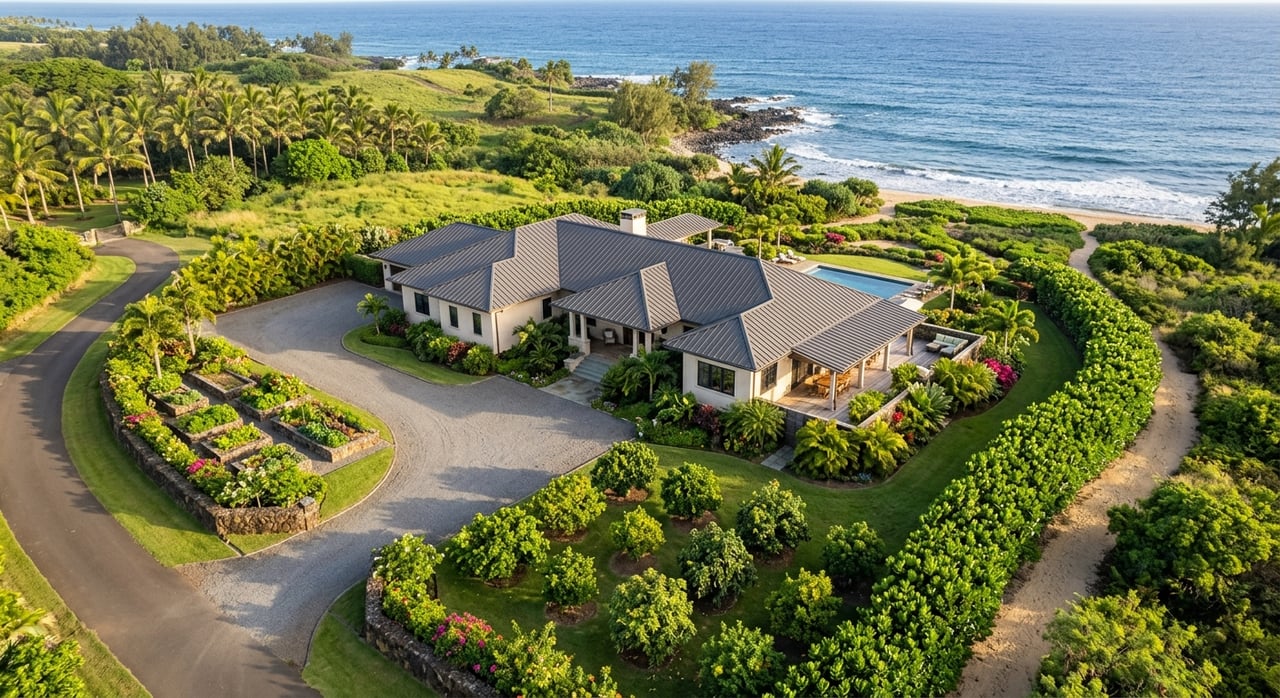
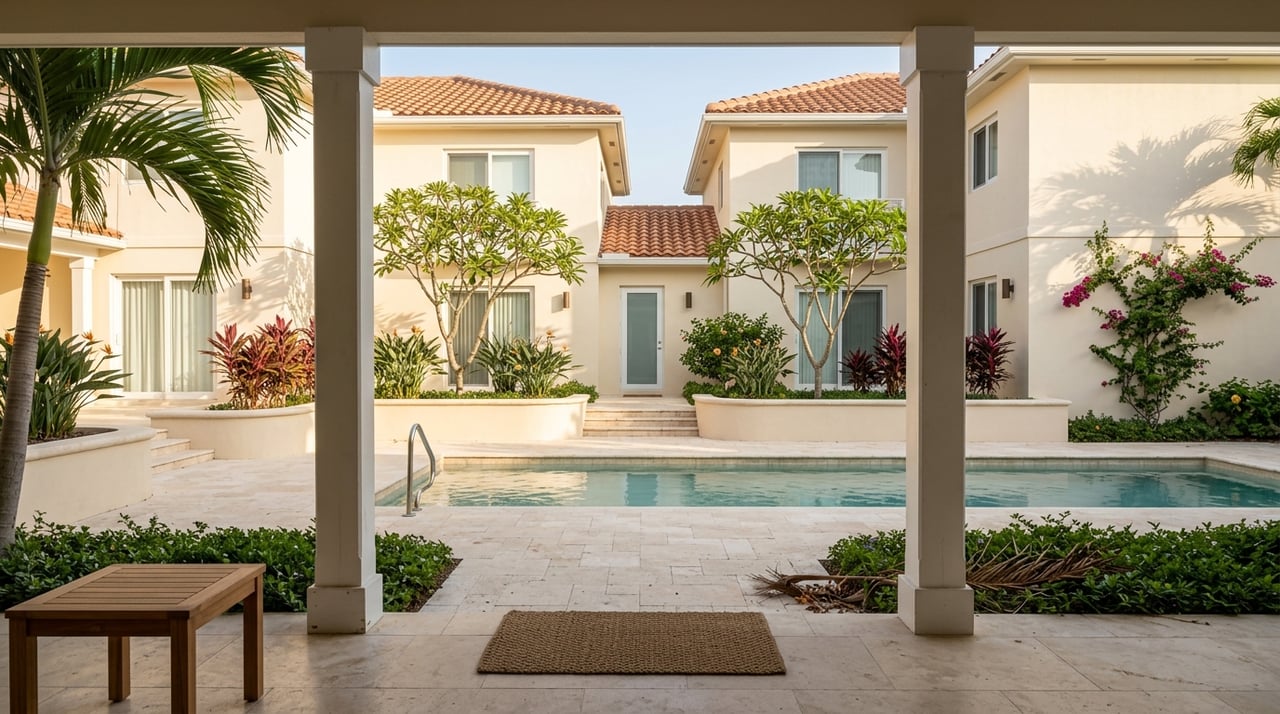
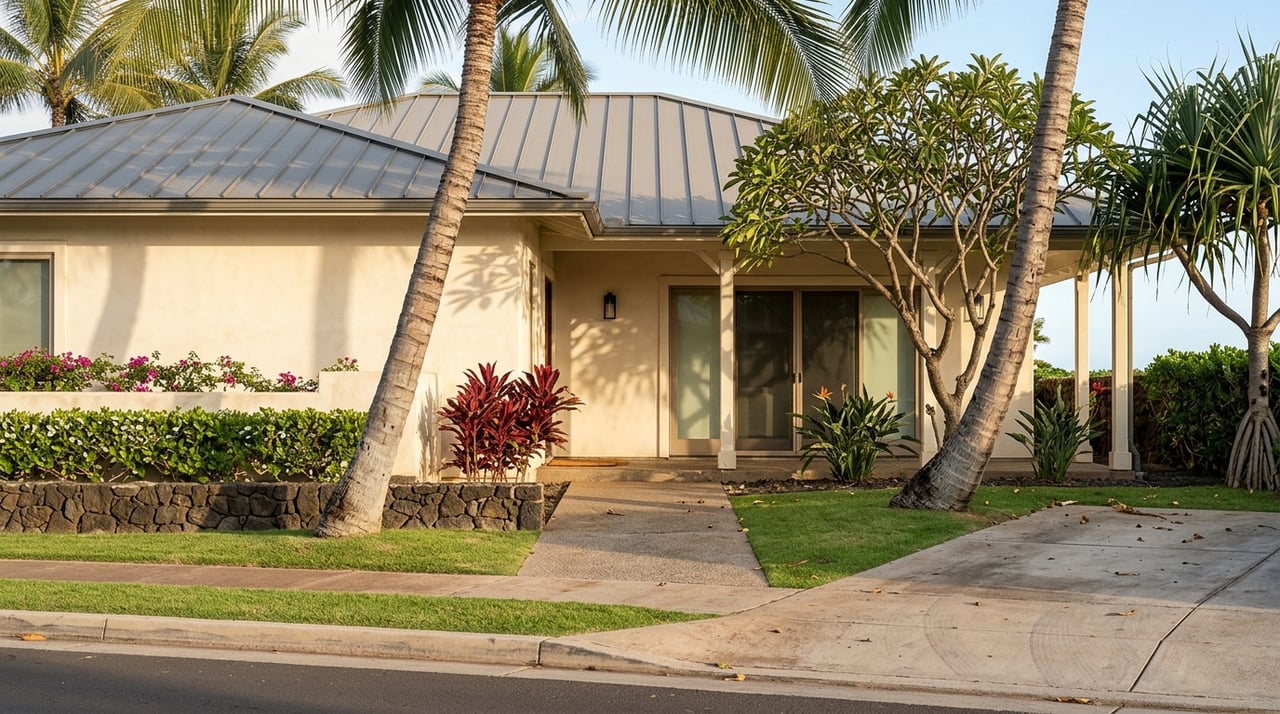
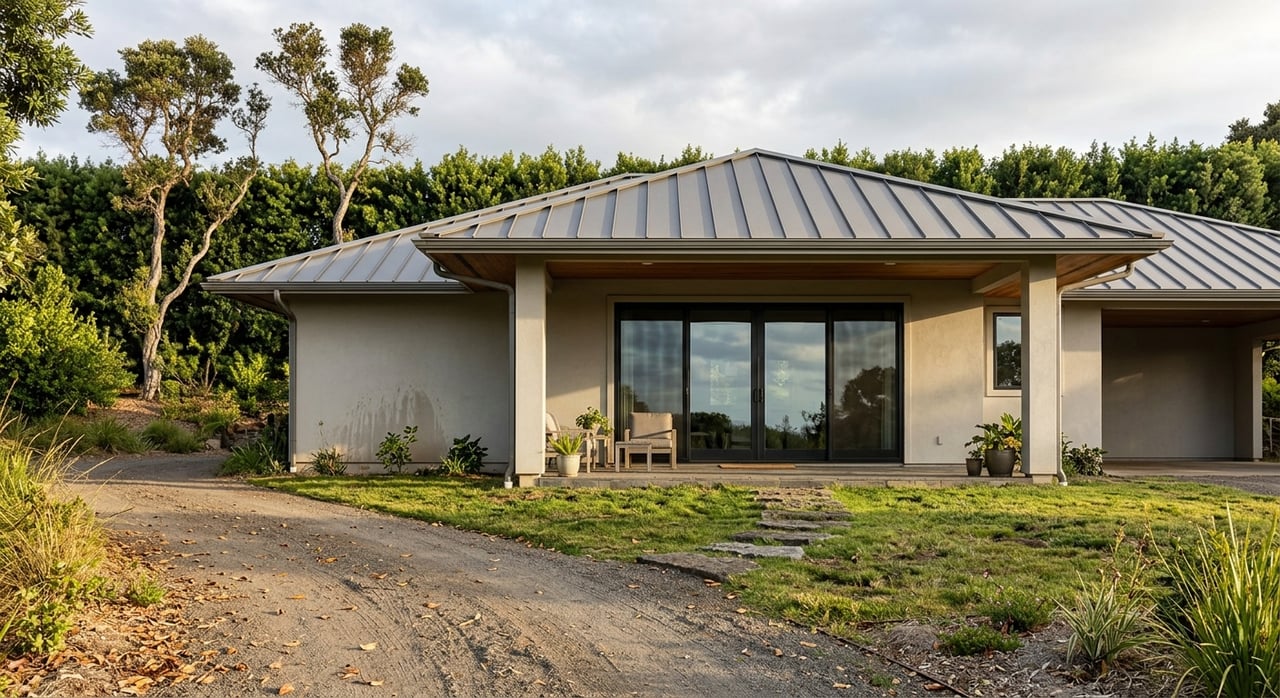
The local housing mix often reads as modest cottages, ranch-style homes, and larger-lot properties, along with some higher-end rural estates. This understanding comes from county design rules, acreage-based farm lots, and the area’s residential history.
Maui County also notes that Upcountry has experienced long-term residential growth and that Kula, in particular, became a place for luxury residential use at times. Even so, the broader identity remains rooted in cool climate, rural setting, and expansive views.
Land Plays A Big Role Here
One reason Upcountry homes feel different is the land itself. Maui County says the Kula Agricultural Park spans 445 acres and includes 31 farm lots ranging from 10 to 30 acres, supporting crops such as Kula onions, bananas, flowers, nursery products, and dryland taro.
While agricultural park land is not the same as residential subdivision land, it still helps tell the larger story of Upcountry. Larger parcels and working-land uses are part of what shapes the area’s housing character.
Why Parcel Size Matters
If you are exploring homes here, lot size may be a bigger part of your decision than it would be in other Maui markets. More land can offer privacy, room to spread out, and a stronger connection to the rural setting.
At the same time, more land often means more upkeep and more planning around water use and outdoor care. A good home search in Upcountry should balance lifestyle goals with the practical side of ownership.
Who Upcountry Maui Fits Best
Upcountry is often a strong fit if you want a cooler climate, a rural atmosphere, and a home experience that feels distinct from coastal resort living. It can also appeal to buyers who value open space, local markets, and a setting shaped by agriculture and small-town routines.
That said, it is not a one-size-fits-all choice. If you prefer a more walkable, compact environment or want to be close to the beach every day, another Maui area may suit you better.
Why Local Guidance Helps
Upcountry Maui can be rewarding, but it also asks you to look closely at day-to-day details. Climate, water use, lot size, travel patterns, and rural design all affect how a property lives over time.
That is where local guidance matters. When you understand not just the listing, but also the lifestyle behind it, you can make a more confident decision that fits both your present needs and long-term plans.
If you are thinking about buying or selling in Upcountry Maui, Theresa Short can help you understand the area with clear local insight, responsive communication, and practical guidance every step of the way.
FAQs
How much cooler is Upcountry Maui than the coast?
- NOAA data shows Kula’s annual mean temperature is 63.9°F, compared with 77.1°F at Kahului Airport, so Upcountry is substantially cooler than Maui’s coastal lowlands.
What towns and areas are included in Upcountry Maui?
- Maui County identifies the Upcountry service area as including Makawao, Upper and Lower Kula, Haiku, Haliimaile, Pukalani, Kokomo, Kaupakalua, Ulumalu, Keokea, Ulupalakua, and Kanaio.
What is daily life like in Upcountry Maui?
- Daily life tends to be more rural, more spread out, and more centered on town hubs, markets, agriculture, and errand-based driving than in compact coastal districts.
Are farmers markets part of everyday life in Upcountry Maui?
- Yes. Maui County lists the Upcountry Farmers Market in Makawao on Saturdays and the Wednesday Farmers Market at Kulamalu Town Center, reflecting how local markets are part of the weekly routine.
What kinds of homes are common in Upcountry Maui?
- Buyers often see low-scale homes that fit the rural setting, including cottages, ranch-style homes, larger-lot properties, and some higher-end rural estates.
Is water conservation important for Upcountry Maui homeowners?
- Yes. Recent Maui County water shortage declarations and later lifting of those shortages show why water-conscious ownership, irrigation planning, and landscaping choices matter in the area.