Thinking about buying on Maui’s North Shore? It can be one of the most rewarding places to own a home, but it also asks you to look beyond photos and square footage. If you are considering Paia, Kuau, Spreckelsville, or Haiku, you need to understand how weather, land use, access, and price can change from one area to the next. Let’s dive in.
North Maui Works Like Several Markets
One of the biggest surprises for buyers is that North Maui does not behave like one simple neighborhood. It is better understood as a collection of micro-markets, each shaped by its setting, lot patterns, and access.
That matters because two homes with a similar drive time can offer very different living experiences. A property near Paia may feel more connected to a town core, while a home in Haiku may feel much more rural and parcel-driven. Coastal areas such as Spreckelsville, Paia, and Kuau can also sit in a very different price range than inland properties.
Climate Can Change Fast
North Maui’s weather can shift more than many off-island buyers expect. Research for this area shows Paia averages about 25 to 40 inches of annual rainfall, while Haiku is closer to 52 to 73 inches, with about 62 inches noted in the Haiku soil series description.
In everyday terms, that means one address may feel relatively dry while another feels much more lush and rainier, even within a short drive. Trade winds and mountain conditions play a major role in that pattern.
What That Means for Your Home Search
This is not just about whether you like sunshine or misty mornings. Climate can influence landscaping needs, drainage, roof maintenance, lanai upkeep, and even driveway conditions over time.
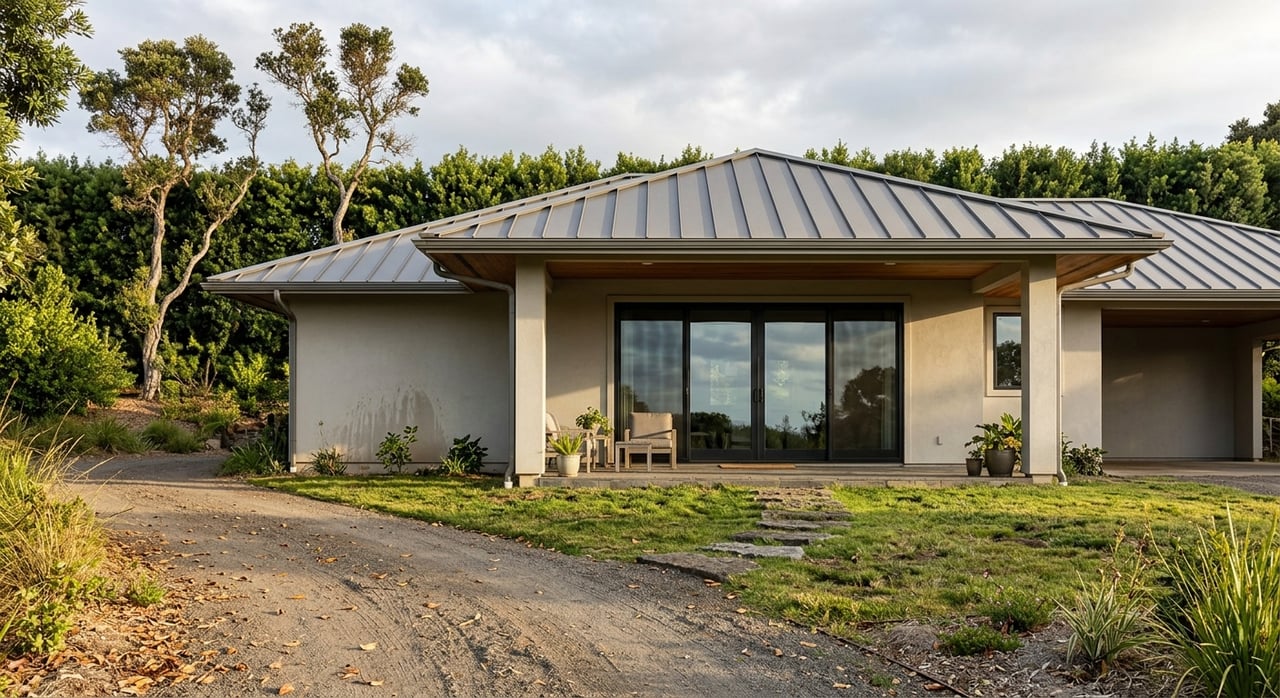
When you tour homes in North Maui, it helps to pay attention to the site itself. Look at grading, water flow, covered outdoor areas, and how the property appears to handle moisture. These details can shape your ownership experience just as much as the floor plan.
Shoreline Conditions Matter
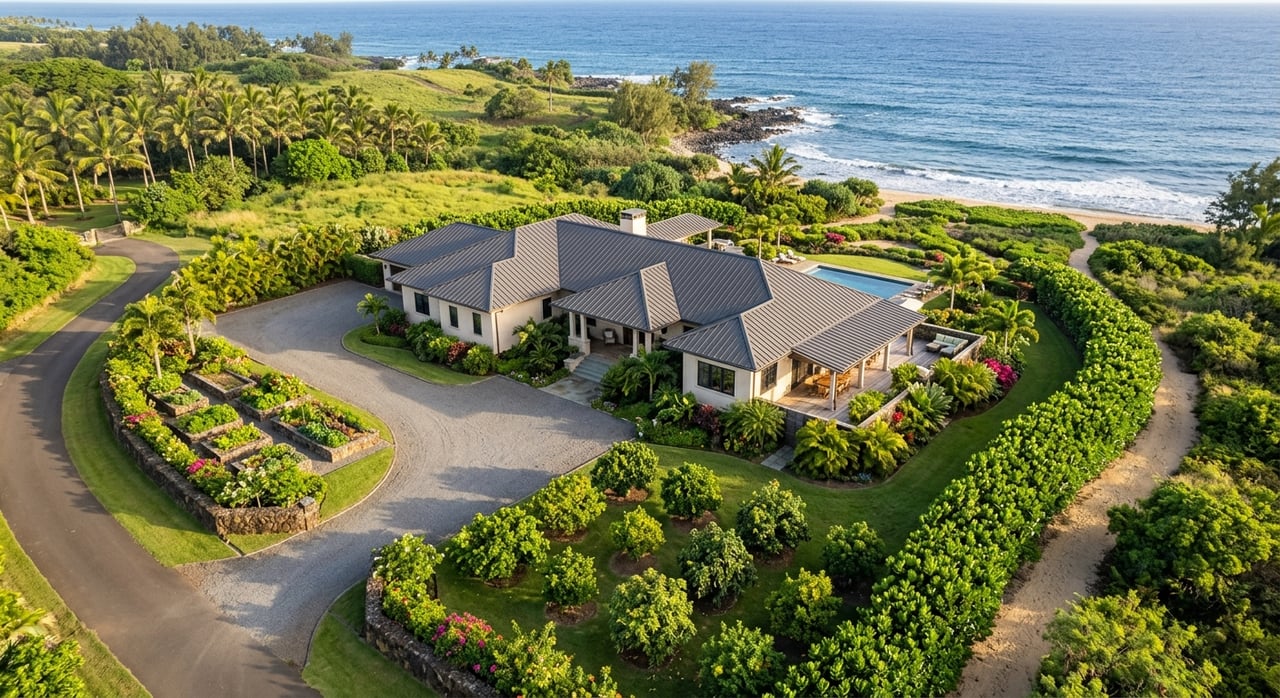
If you are drawn to North Shore oceanfront or near-ocean property, it is important to understand the shoreline story. Maui County describes the North Shore as a coastal system exposed to northeast, north, and northwest conditions, with large winter swell, year-round trade-wind waves, and a history of tsunami inundation.
The county also maintains erosion mapping for North Shore areas including Spreckelsville, Baldwin Park, and Kuau. For buyers, that means shoreline exposure is part of the due diligence process, not just a scenic feature.
Questions to Ask Near the Coast
If you are considering a coastal property, keep these points in mind:
- Ask how the site relates to shoreline exposure and erosion mapping
- Review whether the location has any history tied to inundation concerns
- Look closely at access, setbacks, and the condition of outdoor improvements
- Make sure you understand how the lot sits in relation to the coast, not just the view from the home
This kind of review can help you make a more informed decision before you fall in love with the setting alone.
Land Use Shapes the Lifestyle
North Maui often feels less suburban than buyers expect, and the land-use framework is a big reason why. Maui County describes rural areas as a mix of country towns, productive agricultural lands, natural landscapes, and cultural resources.
State Rural districts are intended for low-density residential development and small-scale agriculture, with a minimum residential lot size of one-half acre. Maui County’s Agricultural District starts at 2 acres and can extend up to 40 acres for very large parcels.
Why Lot Size Matters
In North Maui, lot size and land designation can affect the way a property lives. You may be comparing a town-oriented home near Paia with a rural detached home in Haiku, or a larger inland parcel with agricultural character.
That is why it helps to search by parcel type and use, not just by price or bedroom count. The setting around the home may shape your daily life as much as the house itself.
Paia and Haiku Feel Different
Paia and Haiku are often grouped together in buyer searches, but they are not interchangeable. Paia has a Country Town Business District and requires Country Town Design Review for work in that district.
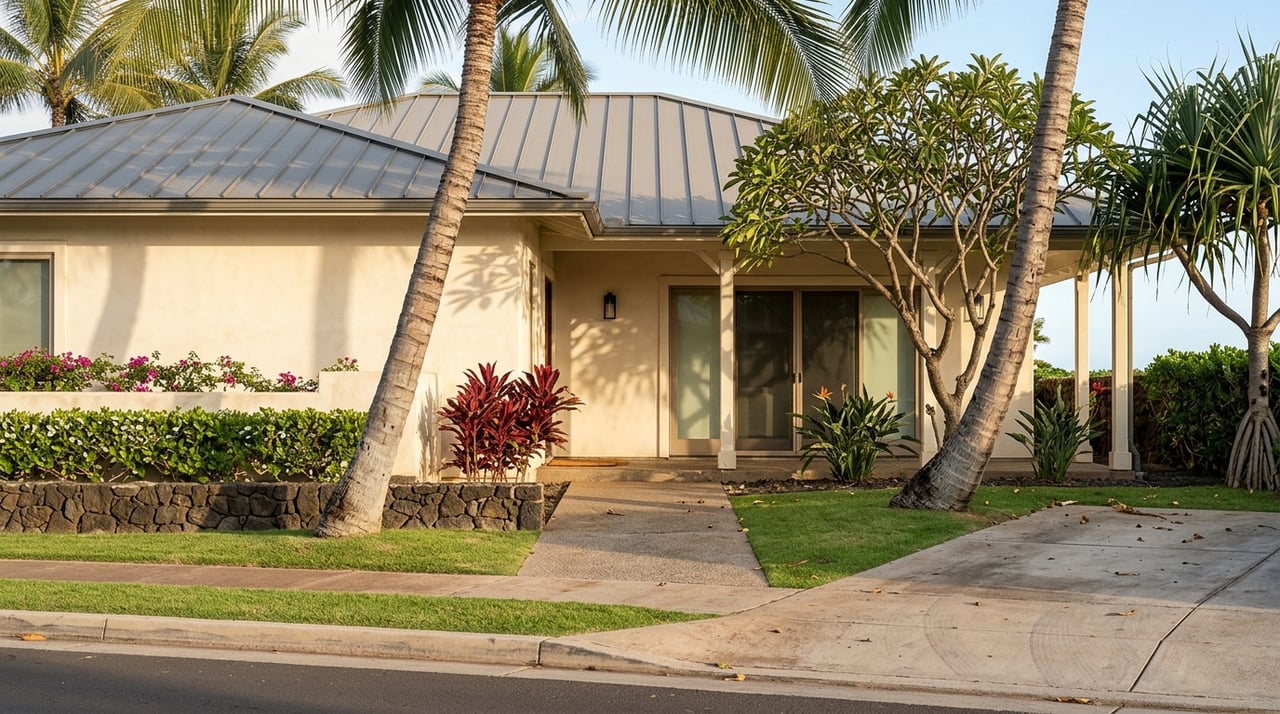
That gives Paia a more town-centered pattern, while areas farther mauka, especially Haiku, are shaped more by rural and agricultural land use. If you want a more connected small-town feel, Paia may align with that goal. If you prefer more space and a rural setting, Haiku may offer a different fit.
Water Service Can Vary by Area
Another practical detail buyers often miss is water service. Maui County’s Department of Water Supply says the Central system includes Paia, while the Upcountry system includes Haiku.
This may not sound exciting at first, but it is part of understanding how neighboring properties can differ. Water service can influence your expectations for landscaping, everyday utility planning, and the overall feel of a parcel.
Road Access Is a Real Lifestyle Factor
North Shore living comes with a road-dependent rhythm. The main road spine runs through Hāna Highway, with Routes 36 and 360 serving the corridor. Airport access ties into the Kahului side through Route 3800, and Haleakalā Highway connects inland routes near Kahului.
Maui Bus also operates commuter service connected to Haiku and airport stops. Still, most practical commuting, airport access, and larger errands tend to funnel through Central Maui, especially Kahului and Wailuku.
Plan for Everyday Logistics
For many buyers, this is one of the most important lifestyle questions. North Shore living can work beautifully if you are comfortable planning around a limited road network, weather conditions, and occasional maintenance or incident-related lane closures.
That does not make the area less appealing. It simply means your daily routine may require more planning than it would in a more grid-like area.
Pricing Is Highly Location Specific
North Maui pricing can vary sharply from one submarket to another. Countywide data reported in April 2026 showed Maui County’s median single-family home price at $1,290,000 and median condo price at $651,250.
North Shore data points show a much wider spread. A January 2026 market report showed Haiku with 4 sales and a median sold price of $1,060,000, while Spreckelsville, Paia, and Kuau had 3 sales and a median sold price of $3,850,000.
Use Caution With Small Sample Sizes
Those local medians come from very small sales counts, so they can move a lot from one period to the next. Still, they help illustrate an important point: North Shore pricing is not uniform.
A coastal address near Paia or Kuau may sit in a very different price band than a rural home in Haiku. That is why it is smart to budget based on parcel type, view, access, and land use, rather than relying on one broad area label.
A Smart North Maui Buying Strategy
If you are serious about buying in North Maui, a focused plan can save you time and reduce surprises. Instead of treating the area as one simple search zone, break it into the lifestyle and property types that fit you best.
A practical approach often includes:
- Deciding whether you prefer town access, rural space, or a coastal setting
- Comparing rainfall and exposure patterns between areas you are considering
- Looking closely at lot size, zoning context, and parcel use
- Reviewing commute patterns to Central Maui, the airport, and everyday services
- Setting price expectations by submarket, not just by North Shore as a whole
This is where local guidance really helps. A clear plan can keep you grounded when listings look similar online but feel very different in person.
North Maui can be an incredible place to buy if you go in with the right expectations. When you understand the area’s microclimates, land use, road patterns, and pricing differences, you can shop with more confidence and choose a property that fits both your lifestyle and your long-term goals.
If you are thinking about your next move in North Maui, Theresa Short can help you compare areas, understand the details behind each property, and move forward with calm, local guidance.
FAQs
What should buyers know about weather in North Maui?
- North Maui has meaningful microclimate differences. Research shows Paia is generally drier than Haiku, so rainfall, moisture, and upkeep needs can vary a lot by location.
What should buyers know about North Maui shoreline homes?
- Buyers should understand that parts of the North Shore are exposed to winter swell, trade-wind waves, erosion concerns, and historic tsunami inundation patterns, so shoreline due diligence is important.
What should buyers know about lot sizes in North Maui?
- North Maui includes a range of parcel types. State Rural districts generally start at a one-half-acre minimum for residential lots, while Maui County Agricultural District parcels start at 2 acres.
What should buyers know about commuting from North Maui?
- Most daily access runs through Hāna Highway and connects back toward Central Maui, so commuting, airport trips, and errands often depend on a limited road network.
What should buyers know about North Maui home prices?
- Prices can vary widely by submarket. Small recent sales samples show Haiku and coastal areas such as Spreckelsville, Paia, and Kuau can sit in very different price ranges.
What should off-island buyers know before buying in North Maui?
- Off-island buyers should pay close attention to microclimate, land use, road access, and parcel differences, because homes that look close together on a map may offer very different ownership experiences.