Picture starting your day with ocean air, easy beach access, and errands that can fit between a morning walk and sunset dinner. If you are wondering what it actually feels like to live in Kihei, you are probably trying to picture more than a map pin or listing photo. This guide gives you a practical, day-in-the-life look at South Maui so you can see how Kihei may fit your routine, lifestyle, and housing goals. Let’s dive in.
What Daily Life in Kihei Feels Like
Living in Kihei often means your day stays close to the coast. South Maui’s Kihei shoreline sits on Maui’s southwest shore, and the area is known for a beach-first, compact feel rather than an urban one.
That shape matters in real life. Your routines may center on South Kihei Road, neighborhood parks, local shopping hubs, and public beach access points instead of long drives across a dense city grid.
GoHawaii describes Kihei as the sunniest, driest end of the island, with 6 miles of beaches plus shopping, farmers markets, and restaurants. For many residents, that translates into a lifestyle where outdoor time is not just a weekend plan but part of an ordinary Tuesday.
Mornings Start Near the Water
One of the biggest draws of Kihei is how easy it is to get outside early in the day. County beach parks such as Kamaʻole I, II, and III, Charley Young, Waipuʻilani, Mai Poina, and Poʻolenalena provide public shoreline access across South Maui.
Depending on the beach, amenities may include parking, restrooms, showers, picnic areas, lifeguards, and ADA access. That makes a quick morning beach stop feel realistic, whether you want a walk, a swim, or simply a few quiet minutes before work.
Beach conditions and winds can vary by season and by part of the coast, so your favorite morning spot may change over time. That is part of the rhythm of living in South Maui. You learn the coastline by using it.
Midday Life Is Practical and Close By
Kihei is not just about views. It is also about convenience.
Azeka Shopping Center is one of the largest shopping centers in Kihei and serves as a practical everyday hub for dining, shopping, and services. Because it sits along South Kihei Road between Lipoa Street and Piʻikea Avenue, it is the kind of place many locals can work into a normal day without much effort.
If your routine leans more toward central Kihei, South Maui Gardens adds another layer to everyday life. It offers a weekly Thursday artisan and farmers market along with a food-truck-style dining area, giving residents a casual local stop for food and community activity.
There is also Ko Mahiʻai Makeke, a Saturday farmers market at Kukui Mall in South Kihei. For you, that may mean weekend produce runs, browsing local vendors, or building slower island routines into your schedule.
Recreation Goes Beyond the Beach
If you picture life in Kihei as only sand and surf, there is more to the story. South Maui also has established recreation infrastructure that supports everyday living.
South Maui Community Park is a 19.6-acre county park with sports fields, a gymnasium, a walking path, playground, picnic areas, and parking. Whether you want space to move, meet friends, or bring the kids to a playground, this kind of public facility adds balance to the coastal lifestyle.
The county’s South District recreation office covers Kihei, Wailea, and Makena, which reflects how connected the broader South Maui recreation network is. That matters if you are thinking long term about how you will actually spend your time here.
Evenings Can Be Simple or Resort-Oriented
South Maui gives you options at the end of the day. In Kihei, evenings can stay casual, close to home, and centered around local dining spots or the shoreline.
If you head farther south, The Shops at Wailea offers a more resort-oriented mix, with more than 70 boutiques, shops, restaurants, and galleries. For some residents, that becomes part of the regular routine. For others, it is an easy option when you want a different setting without leaving South Maui.
This range is part of Kihei’s appeal. You can keep things laid-back and practical, or you can fold in resort-area amenities when the mood fits.
Getting Around South Maui
A day-in-the-life look at Kihei should also be honest about mobility. Piʻilani Highway is the main regional connector between central and south Maui, and county transportation planning notes that Piʻilani Highway north of Alanui Ke Aliʻi Drive is generally congested during the afternoon commute peak.
In plain terms, timing matters. If your work, errands, or school runs take you between Central Maui and South Maui, you will likely want to think through your usual route and schedule.
Transit is part of the picture too. Maui County’s fixed-route bus system includes the Kihei Islander Route #10 and Kihei Villager Route #15, and later evening service was added on both routes in late 2024.
Longer term, county planning for South Maui emphasizes walkability, bike paths, and transit connectivity. That does not remove today’s traffic realities, but it does show that mobility is a clear priority in the area’s future planning.
Housing in Kihei and South Maui
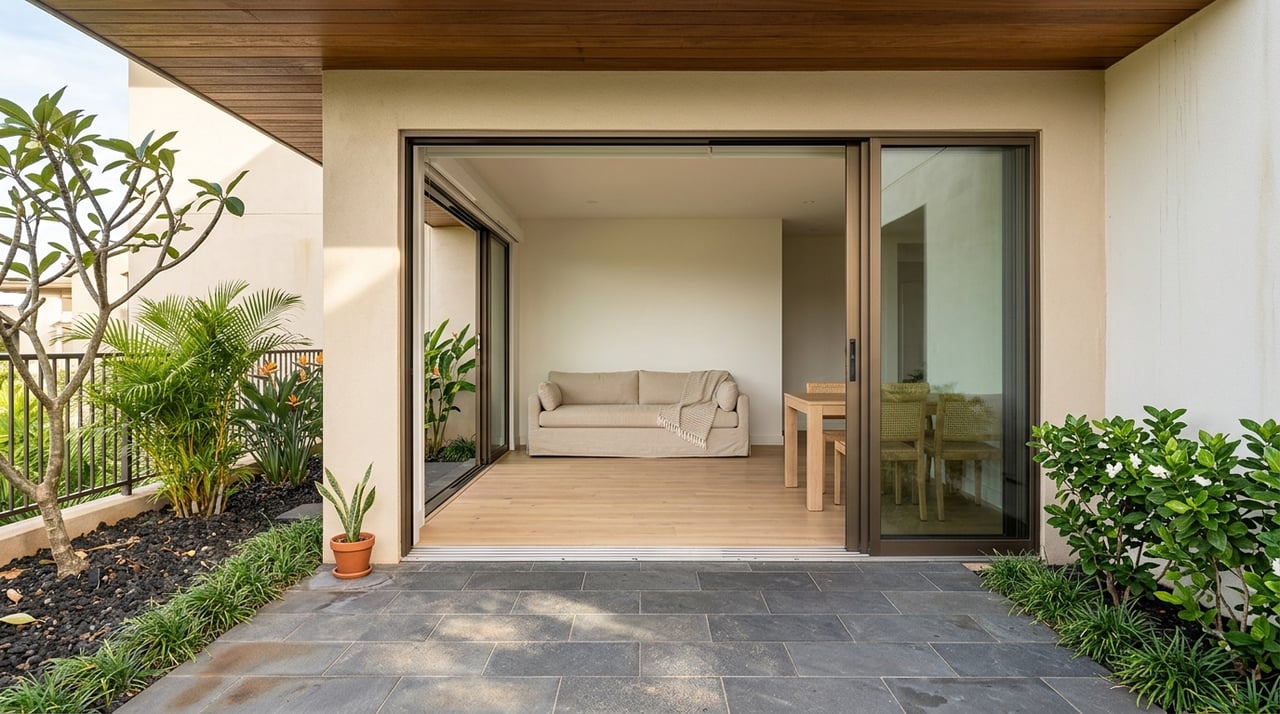
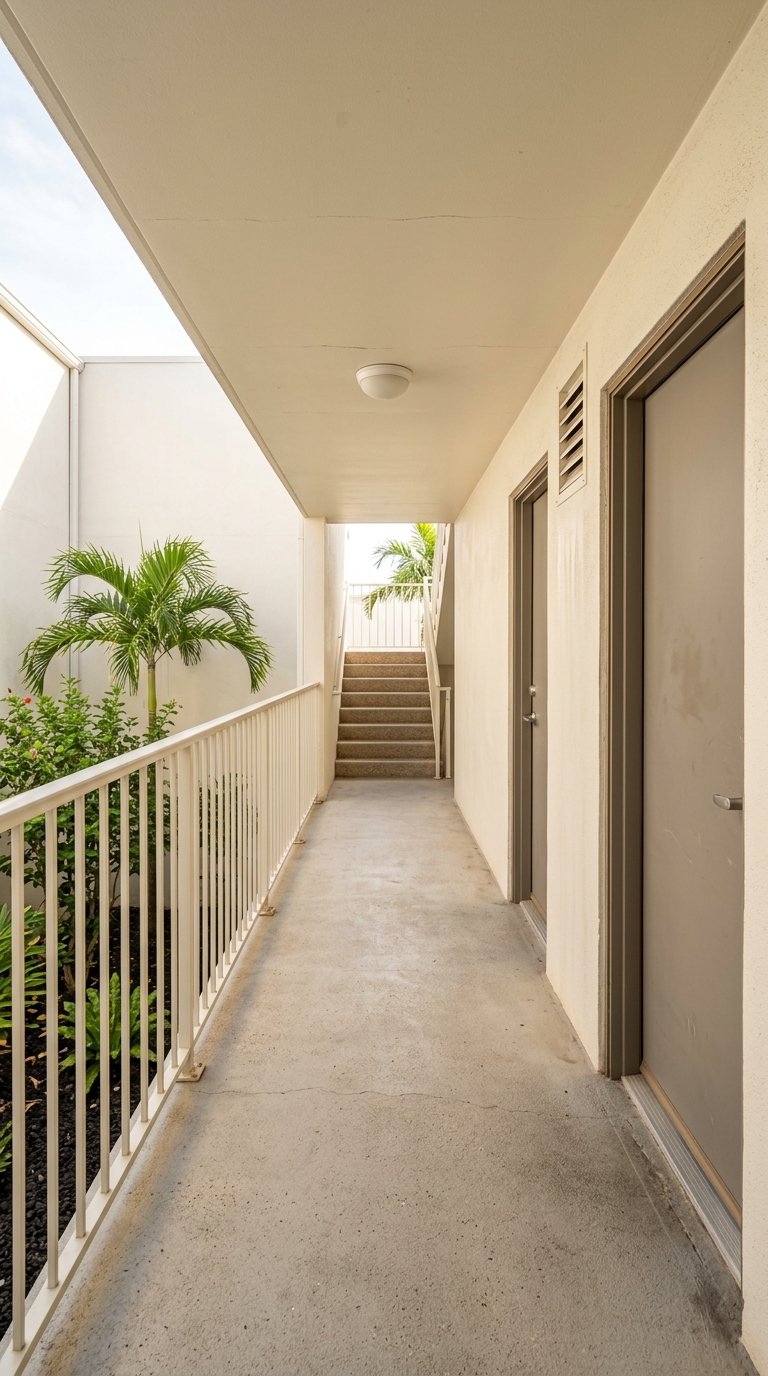
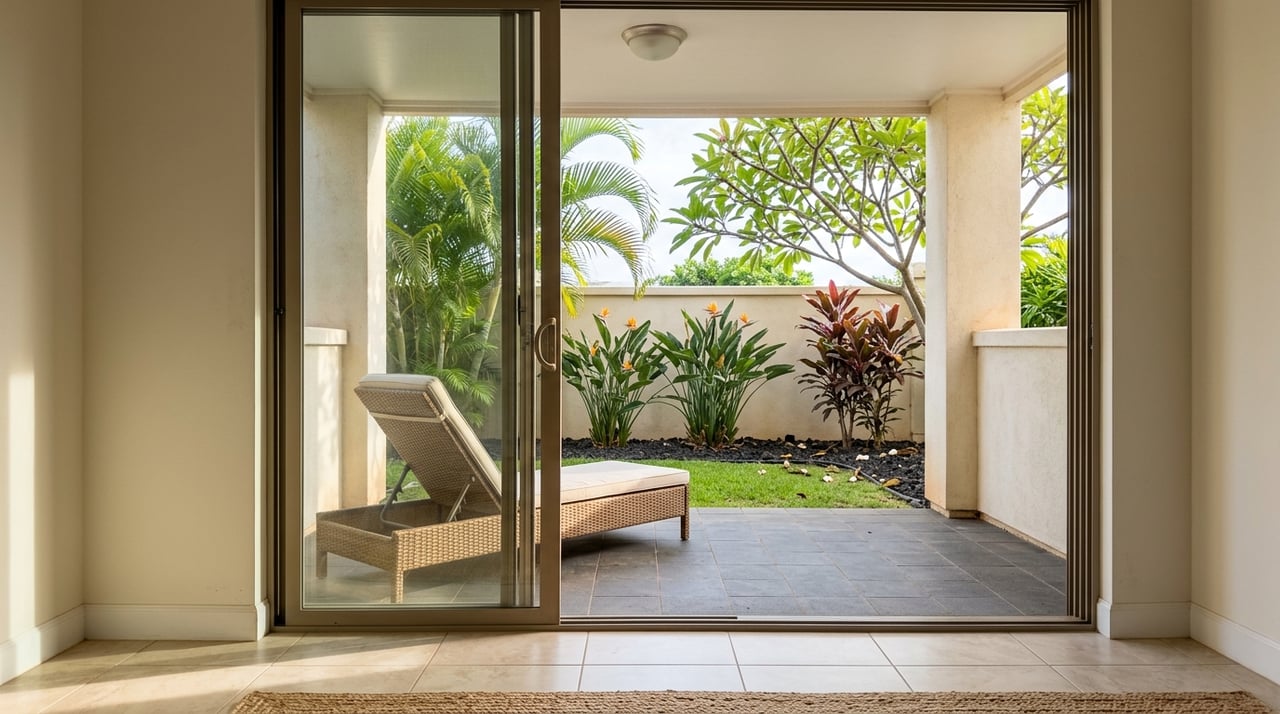
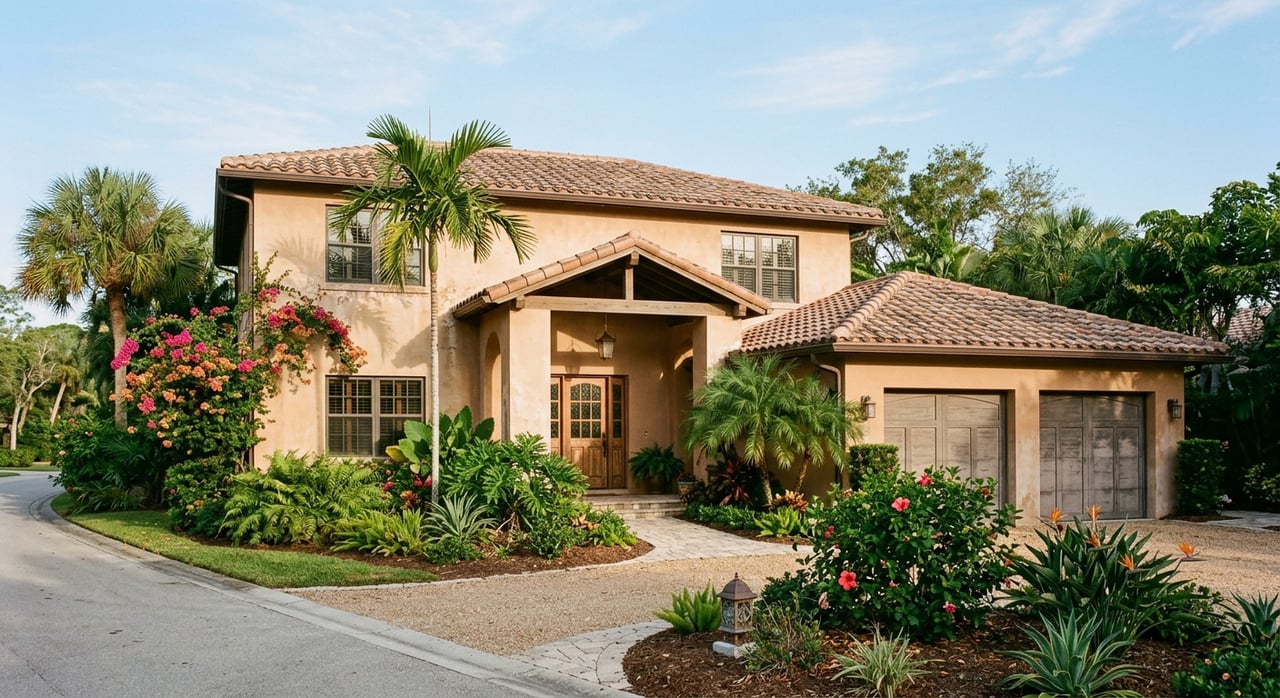
When you imagine living in Kihei, the housing options matter just as much as the lifestyle. South Maui includes a broad mix of housing types, with county planning documents referencing single-family, multi-family, townhouse, duplex, courtyard apartment, bungalow court, and live-work forms.
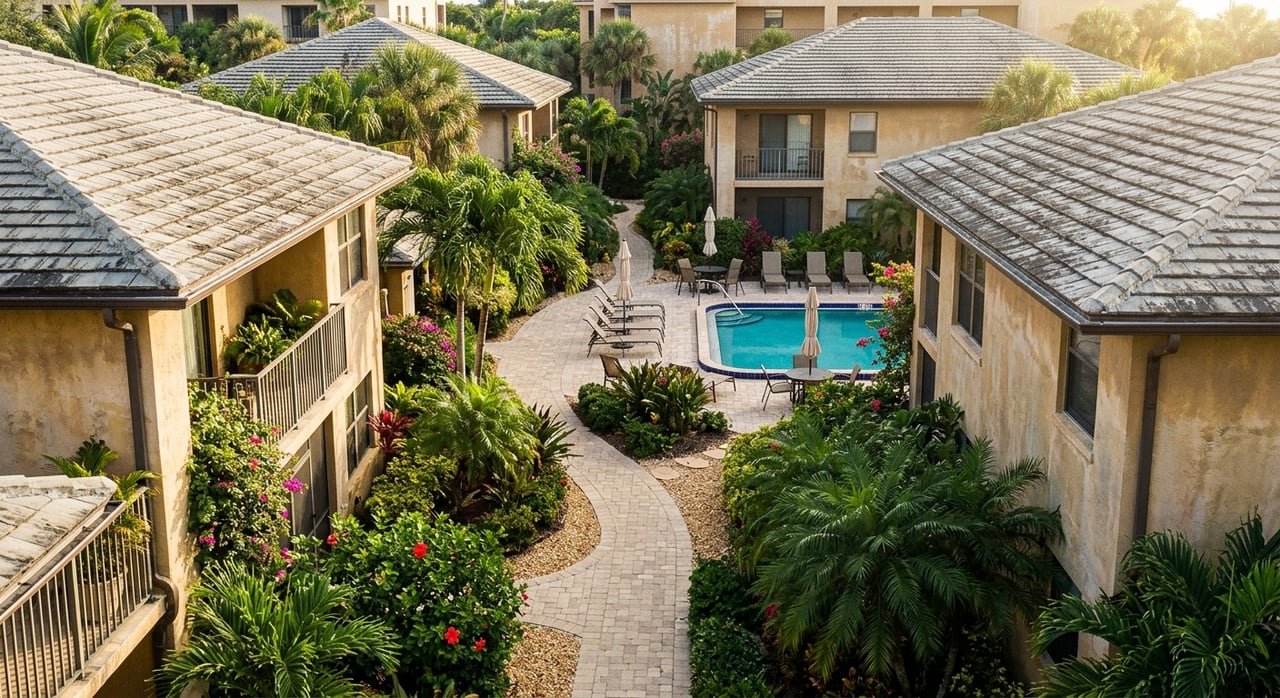
Kihei’s coastal housing already reflects that variety. GoHawaii notes condominium, small-hotel, and cottage options along Kihei’s beach road, while county planning records reference established hotel-condominium projects such as Kihei Kai Nani and Kihei Akahi.
Wailea adds another housing layer within South Maui. County planning records describe it as an integrated residential resort community with homes, condominiums, hotels, shopping centers, tennis, and golf courses.
For you, that means South Maui can appeal to several different lifestyle goals:
- Condo buyers who want lower-maintenance living near the coast
- Full-time residents who want beach access and everyday amenities nearby
- Detached-home buyers who may prefer more space or a mauka setting
- Resort-area buyers looking at Wailea and nearby communities
County planning work also emphasizes a need for more rental, fee-simple, and missing-middle housing options. That helps explain why South Maui continues to attract attention from a wide range of buyers with different budgets and priorities.
Who Kihei Often Fits Best
Kihei can work well if you want your lifestyle to feel connected to the outdoors and close to daily conveniences. It often appeals to buyers who value routine beach access, condo options, and a more compact coastal pattern of living.
It can also make sense if you are buying from off island and want a neighborhood that is easier to understand in day-to-day terms. The rhythm is fairly intuitive: beaches, parks, shopping centers, dining, and a main road network that ties South Maui together.
For some buyers, Wailea may feel like a better match because of its resort-oriented environment and housing mix. For others, central or north Kihei may stand out because everyday errands and beach access sit so close together.
What to Think About Before You Move
A lifestyle match is about more than loving the view. Before you buy in Kihei or elsewhere in South Maui, it helps to think through the details that shape your week.
Consider questions like these:
- How important is walkable or short-drive beach access to your routine?
- Do you prefer a condo, townhome, or detached home?
- Will you commute regularly toward Central Maui?
- Do you want a more local everyday hub, a resort-adjacent setting, or a mix of both?
- Are weekend markets, parks, and outdoor recreation part of your ideal routine?
These answers can help narrow not just whether South Maui is right for you, but which part of South Maui may fit best.
Why Local Guidance Matters
Kihei can look simple on paper, but the right fit often comes down to daily habits. The difference between one area and another may be less about distance and more about traffic timing, beach access, housing type, and how you want your mornings and evenings to feel.
That is where grounded local guidance can make a real difference. If you are comparing condos, weighing a full-time move, or trying to understand how Kihei differs from Wailea or other Maui communities, having a clear local perspective helps you move forward with more confidence.
If you are considering a move to South Maui, Theresa Short can help you explore Kihei with a practical, lifestyle-first approach and clear guidance tailored to your goals.
FAQs
What is daily life like in Kihei, South Maui?
- Daily life in Kihei often centers on beach access, neighborhood parks, local shopping centers, farmers markets, and casual dining, with a compact coastal layout that keeps many routines close to home.
What public beaches can you access in Kihei?
- Public shoreline access in Kihei includes beach parks such as Kamaʻole I, II, and III, Charley Young, Waipuʻilani, Mai Poina, and Poʻolenalena, with amenities that may include parking, restrooms, showers, picnic areas, lifeguards, and ADA access.
What shopping and errands are convenient in Kihei?
- Everyday errands in Kihei often center around places like Azeka Shopping Center, while South Maui Gardens and the Saturday Ko Mahiʻai Makeke market add food and local market options.
What is the commute like from Kihei to other parts of Maui?
- Piʻilani Highway is the main route between Central Maui and South Maui, and county planning notes that the section north of Alanui Ke Aliʻi Drive is generally congested during the afternoon commute peak.
What types of homes can you find in Kihei and South Maui?
- South Maui offers a mix of housing that includes condos, single-family homes, townhouses, duplexes, courtyard apartments, bungalow court styles, and resort-area residential options, depending on the specific community.
Is Kihei a good fit for full-time living or a second home?
- Kihei can suit both full-time residents and part-time owners because it offers coastal access, practical daily amenities, and a range of housing types, especially for buyers considering condo living near the beach.