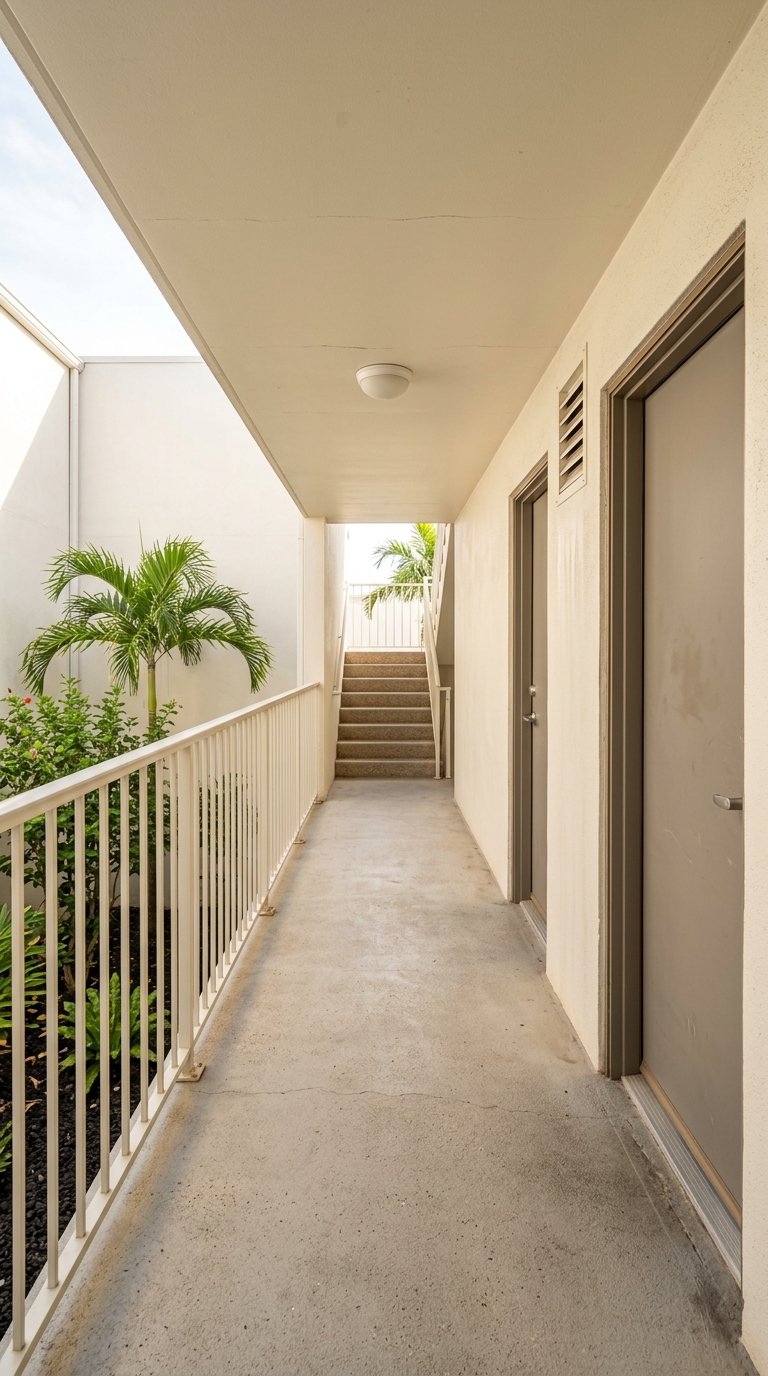
Thinking about buying a condo in South Maui from the mainland? It can be an exciting way to enjoy Maui living, but condo ownership here comes with details that are easy to miss if you are used to markets on the continent. When you understand how Hawaii condos work, what fees and rules really mean, and how rental use is regulated, you can make a more confident decision. Let’s dive in.
Hawaii Condo Ownership Works Differently
When you buy a condo in South Maui, you are usually not buying only the unit itself. In Hawaii, condo ownership typically includes the interior of your unit plus a proportional interest in the project’s common and limited common elements.
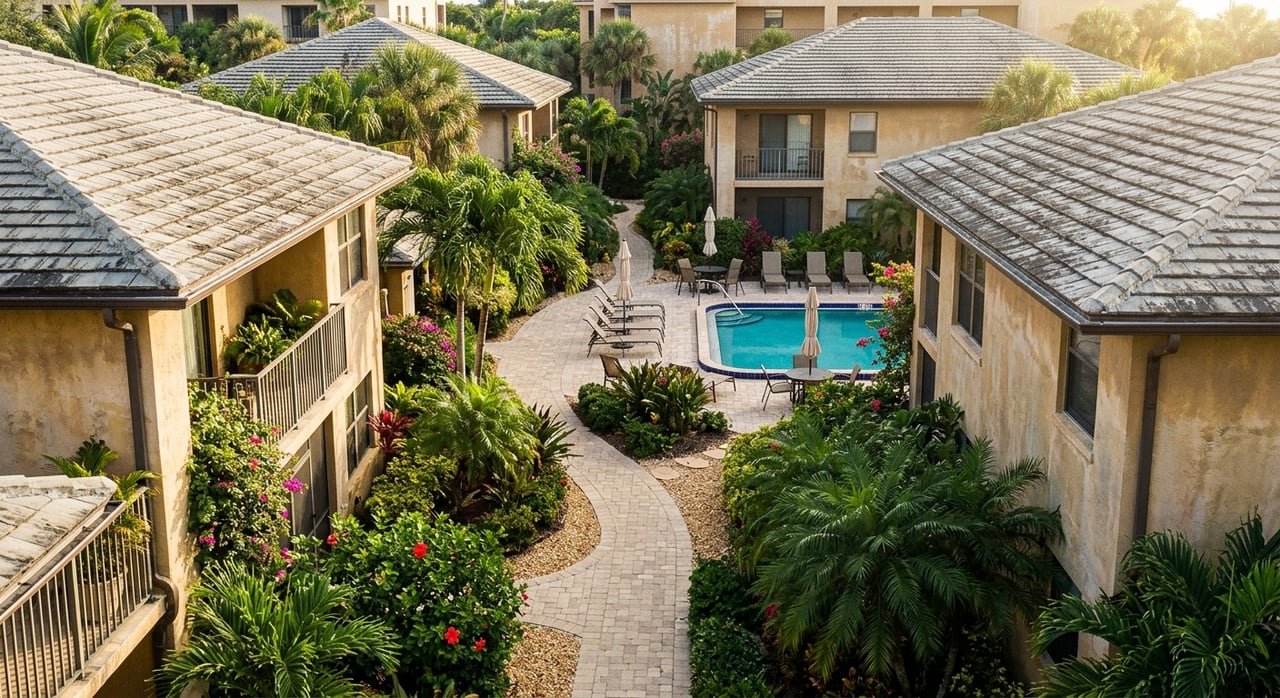
That shared ownership matters more than many mainland buyers expect. Features like hallways, elevators, pools, landscaped grounds, internal roads, walkways, and even some plumbing or electrical systems may be controlled by the association rather than by you as an individual owner.
Limited common elements can matter too. Parking stalls and storage lockers are often part of that category, so it is important to confirm exactly what comes with the unit and how those areas are assigned or governed.
South Maui Lifestyle Meets Association Control
In South Maui, many buyers are drawn to condo projects because of location, views, pools, beach access, or resort-style amenities. But some of the most attractive parts of condo living are tied directly to how the association manages the property.
That means the floor plan and lanai are only part of the story. The board, resident manager, or managing agent may shape your day-to-day ownership experience just as much as the unit itself.
Why Governance Matters
Condo boards make decisions about budgets, maintenance fees, reserves, repairs, and house rules. Some projects use professional management, while others may be more hands-on or self-managed.
For you as an off-island buyer, governance style can be a major quality-of-life issue. A well-run association may feel organized, transparent, and proactive, while a poorly run one can create frustration, uncertainty, or surprise costs.
Before you buy, Hawaii condo guidance recommends reviewing key documents such as:
- The declaration
- Bylaws
- House rules
- Current budget
- Reserve study
- Audit
- Insurance information
- Recent board meeting minutes
You should also ask about:
- Special assessments
- Lawsuits
- Capital improvement plans
- Owner delinquencies
- Collections
- Recalls
- Insurance claims
These records can tell you a lot about whether a project appears stable, financially prepared, or unusually restrictive.
Monthly Fees Need a Closer Look
One of the biggest surprises for mainland buyers is often the monthly maintenance fee. In Hawaii, these fees commonly cover common-area maintenance, management, insurance, utilities, and reserve contributions.
That number should never be viewed in isolation. A condo with a pool, elevators, tennis courts, a gym, multipurpose rooms, or full-service management should generally have higher fees than a simpler project with fewer shared features.
If an amenity-rich building has unusually low fees, that may be a warning sign rather than a bargain. It can suggest the association is not fully funding long-term needs.
Reserve Strength Can Affect Future Costs
Reserve studies are designed to estimate what major project components will need replacement, how long they should last, and what those replacements may cost. In practical terms, the reserve study helps show whether the association is preparing for future expenses.
If reserves are too low, the project may face deferred maintenance, borrowing, or special assessments. In many Hawaii condo projects, special assessments are not rare, especially as buildings age and face repairs related to pipes, concrete, or disaster impacts.
So when you compare condos in South Maui, look beyond the current monthly fee. A building with stronger reserves may offer more predictability than one with lower dues but weaker financial planning.
Insurance Is a Big Part of Condo Costs
Insurance deserves extra attention in coastal Maui. Associations generally must carry certain property, liability, fidelity, and directors-and-officers coverage, and flood insurance must be maintained if the property is in a special flood hazard area.
Boards may also require owners to carry their own reasonable coverage. That means your total cost of ownership may include both association-level insurance costs and your own policy needs.
Flood coverage is separate from standard homeowners or condo insurance. For South Maui buyers, that is especially important because a project’s location and risk profile can affect ownership costs in ways that are not obvious from the list price alone.
Hawaii’s Insurance Division reactivated the Hawai‘i Hurricane Relief Fund in 2025 to help stabilize hurricane coverage for condominium and townhouse associations. Even so, insurance remains one of the most important items to review carefully during your due diligence.
Rental Plans Need Careful Verification
Many mainland buyers consider using a South Maui condo as a second home, part-time residence, or rental property. If that is part of your plan, do not rely on assumptions or past marketing language.
Maui County says hotel districts are intended for short-term rentals, while residential districts are intended for long-term housing. The actual right to operate a transient vacation rental depends on the property’s zoning, permit status, or another lawful basis.
Just as important, Maui County says its approved transient vacation rental list is informational only. It is not proof that a property is legally allowed to operate as a rental.
Why South Maui Buyers Should Verify Rental Status
South Maui falls under the remaining-area category in Maui County’s Ordinance 5909. Under that ordinance, certain apartment-district transient vacation rentals are being phased out by December 31, 2030.
That makes verification especially important if you are buying based on expected nightly rental income. You will want to confirm whether a unit’s current or past rental use depends on hotel-district zoning, a permit, or a grandfathered nonconforming use.
A unit with a strong rental history may still require closer legal review before you assume that same use can continue in the future. This is one of the most important questions to get clear on early.
Taxes Can Change the Math
If a condo will be rented for fewer than 180 consecutive days, Hawaii considers that a taxable business and it generally requires GET and TAT registration. Maui County also imposes its own 3 percent county transient accommodations tax, and operators in the county must hold state registration.
Long-term rentals of 180 days or more are still subject to Hawaii income tax and GET, but not TAT. If rental income is part of your purchase strategy, these distinctions can affect your numbers in a meaningful way.
House Rules Matter More Than You Think
A condo may check every box on paper and still be the wrong fit if the rules do not match how you plan to use it. Hawaii condo guidance notes that the declaration, bylaws, and house rules may govern things like pet restrictions, smoking rules, gym use, and fines.
For a second-home buyer, these details can shape your experience just as much as the location. If you plan to visit seasonally, host guests, or keep a pet, you will want to confirm those policies before moving forward.
Buying From the Mainland Takes Organization
The good news is that Hawaii provides a document framework that helps buyers review condo information before closing. For resale condos, Hawaii law requires the seller to provide declaration-related documents, bylaws, and use restrictions.
After you receive those materials and a current title report, you have 15 calendar days to rescind. For new developer sales, the buyer has a 30-day cancellation right after the required materials are delivered.
Those timelines make prompt review important. If you are buying from afar, you will want a clear plan for reading documents, asking follow-up questions, and confirming what matters most to your intended use.
Remote Closing Is Possible
Hawaii law allows remote online notarization for remotely located individuals using communication technology, identity proofing, and audiovisual recording. The Bureau of Conveyances also supports e-recording, which can make an off-island closing more manageable.
That said, remote convenience does not remove the need for coordination. Your lender, title company, and escrow process still need to stay aligned so documents and deadlines are handled correctly.
Protect Yourself From Wire Fraud
Off-island buyers should also be alert to closing scams. Fraud attempts often happen near the end of the transaction when buyers are expecting wiring instructions.
A smart habit is to verify wiring instructions by calling a known phone number rather than replying to an email thread. It is also worth taking the time to read your loan and closing documents carefully before signing.
A Smart South Maui Condo Search Starts With Questions
If you are comparing condo options in South Maui, the most useful questions usually go deeper than price per square foot or ocean view. You will want to understand how the project is run, how strong the reserves are, what insurance exposure exists, and what the zoning and rule package actually allow.
In a market where two similar-looking condos can come with very different fees, rental rights, and future costs, clarity matters. The more you understand upfront, the better your chances of finding a property that truly fits your goals.
If you want a calm, local perspective while you sort through South Maui condo options, Theresa Short and The Sunrise Team can help you ask the right questions and move forward with confidence.
FAQs
What does condo ownership in South Maui usually include?
- In Hawaii, condo ownership typically includes the interior of your unit plus a proportional interest in common and limited common elements such as shared grounds, amenities, and sometimes parking or storage areas.
What should mainland buyers review before buying a South Maui condo?
- You should review the declaration, bylaws, house rules, budget, reserve study, audit, insurance information, and recent board minutes, and ask about assessments, lawsuits, capital improvements, delinquencies, and insurance claims.
Why are South Maui condo maintenance fees sometimes high?
- Fees often cover common-area maintenance, management, insurance, utilities, and reserve contributions, and buildings with more amenities generally have higher operating costs.
Can you use any South Maui condo as a short-term rental?
- No, short-term rental use depends on the property’s zoning, permit status, or another lawful basis, so you should verify a unit’s actual legal status before assuming nightly rentals are allowed.
What is the rescission period for a Hawaii condo purchase?
- For a resale condo, you generally have 15 calendar days to rescind after receiving the required documents and current title report, while new developer sales generally include a 30-day cancellation right after delivery of required materials.
What insurance questions should buyers ask about a South Maui condo?
- You should ask what coverage the association carries, whether the property is in a special flood hazard area, whether flood insurance applies, and what owner coverage the board requires.